
Tower and Town, November 2026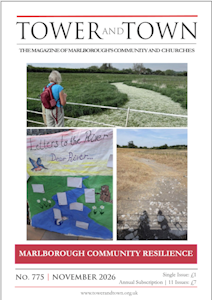 (view the full edition) Clergy LetterA fish does not know it is wet. It simply swims in the water all around it. In much the same way, we swim in a culture of consumption. Buying, upgrading, storing and discarding can feel so normal that we barely notice the effect on our souls-or on the non-human world with which we share God’s creation. It’s possible to possess so much that our homes can no longer contain it. We open a wardrobe door and clothing bursts out. Our car is on the forecourt because the garage has become a storage barn. Could it be that these blessings, when grasped too tightly, begin to crowd out our walk of faith in Jesus? Jesus tells a parable about a successful farmer whose harvest is so abundant that he plans bigger barns for all his goods (Luke 12:16-21). His mistake is neither the harvest nor careful planning. It is that his security, imagination and hope have become trapped in what he owns. Jesus’ warning is helpfully direct: “For where your treasure is, there your heart will be also” (Luke 12:34). Autumn is a season of harvest, a time to celebrate God’s generous provision. We should be grateful-but also alert. The more we have, the more responsibility we carry, and the more vulnerable we may become to losing our focus on Jesus. Sustainable living is therefore more than an environmental technique. It is a spiritual discipline: learning to receive with gratitude, use with care and share with generosity. So where is my treasure? One helpful response is simplicity. Clear out what is neither useful nor beautiful. Buy less, choose well, repair where possible and pass good things on. Possibly begin with one drawer, one cupboard or one room. Each small act frees time, money and attention for what matters most, while reducing pressure on the earth’s resources and on the creatures and habitats affected by our choices. There is freedom in an uncluttered faith. When Jesus, rather than possessions, is our treasure, we can relax our grip, resist the fear of missing out and trust the God who provides. We can own less, waste less and give more. With great blessing comes responsibility-and danger. A fish does not know it is wet; perhaps we do not realise how deeply we are swimming in abundance. May we take Jesus seriously, worship the Giver rather than the gifts, and live more lightly within God’s world. Andrew Bird |